

Who doesn’t love a bright, dazzling smile? It’s one of the first things people notice about us. However, for those with sensitive teeth, achieving that pearly white grin can be a bit more challenging. Whitening products often cause discomfort, making it crucial to find the best teeth whitener specifically designed for sensitive teeth. In this article, we’ll explore various options to help you achieve a radiant smile without the pain.
Understanding Teeth Sensitivity
What Causes Teeth Sensitivity?
Teeth sensitivity occurs when the protective enamel layer wears down or when gums recede, exposing the underlying dentin. This layer contains tiny tubules that connect to the tooth’s nerve center, making it vulnerable to hot, cold, sweet, or acidic stimuli. Common causes include:
- Brushing too hard
- Using a hard-bristled toothbrush
- Tooth decay
- Gum disease
- Acidic foods and drinks
Common Symptoms of Sensitive Teeth
Sensitive teeth can cause sharp, temporary pain or discomfort in response to specific triggers such as:
- Consuming hot or cold foods and drinks
- Eating sugary or acidic foods
- Brushing or flossing teeth
Teeth Whitening Overview
Why Do People Whiten Their Teeth?
The desire for a brighter smile drives many to seek teeth whitening solutions. Reasons include:
- Boosting self-confidence
- Counteracting discoloration from foods, drinks, and smoking
- Preparing for special occasions
Different Methods of Teeth Whitening
There are several methods to whiten teeth, each varying in effectiveness and suitability for sensitive teeth:
- Professional in-office treatments
- Custom take-home trays from a dentist
- Over-the-counter products like strips and gels
- Natural remedies
Challenges of Whitening Sensitive Teeth
How Whitening Products Can Exacerbate Sensitivity
Whitening products typically contain peroxide-based bleaching agents, which can penetrate the enamel and reach the dentin, causing increased sensitivity. This makes it crucial to choose products formulated for sensitive teeth.
Importance of Choosing the Right Product
Selecting the right teeth whitener involves looking for products with lower peroxide concentrations and those that include desensitizing ingredients like potassium nitrate or fluoride.
Professional vs. At-Home Whitening
Pros and Cons of Professional Whitening
Pros:
- Faster, more noticeable results
- Supervised by a dental professional
- Customizable to minimize sensitivity
Cons:
- Higher cost
- Requires dental visits
Pros and Cons of At-Home Whitening
Pros:
- More affordable
- Convenient
- Variety of options
Cons:
- Takes longer to see results
- Risk of misuse and increased sensitivity
Criteria for Choosing the Best Teeth Whitener
Ingredients to Look For
For sensitive teeth, seek out products that contain:
- Potassium nitrate: Helps block pain signals to the nerves
- Fluoride: Strengthens enamel and reduces sensitivity
Ingredients to Avoid
Avoid products with high concentrations of:
- Hydrogen peroxide
- Carbamide peroxide
ADA (American Dental Association) Approval
Look for the ADA Seal of Acceptance on whitening products, indicating they meet safety and effectiveness standards.
Top Professional Whitening Options for Sensitive Teeth
In-Office Treatments
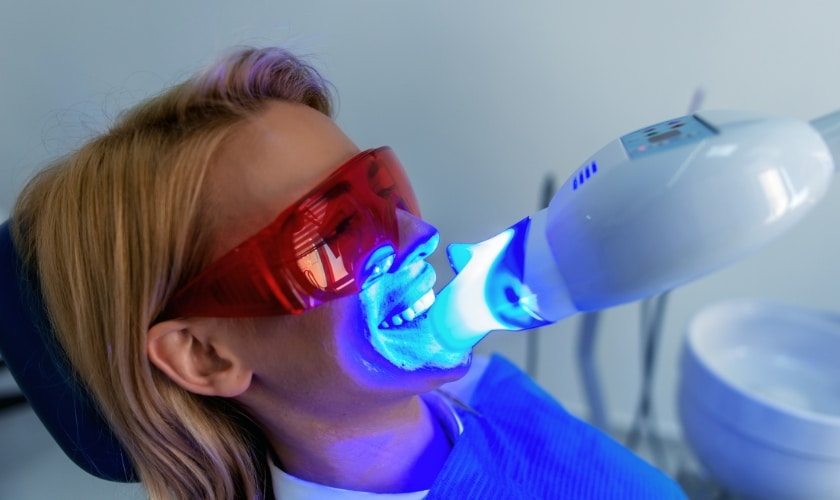
In-office treatments like Zoom Whitening or laser whitening offer quick and controlled results. Dentists can tailor the concentration of bleaching agents to minimize sensitivity.
Custom Take-Home Trays
Dentists can provide custom-fitted trays with a lower concentration of whitening gel, allowing for gradual whitening at home under professional guidance.
Top At-Home Whitening Options for Sensitive Teeth
Whitening Toothpaste
Whitening toothpaste with mild abrasives and gentle whitening agents can help remove surface stains without causing significant sensitivity.
Whitening Strips
Choose whitening strips specifically designed for sensitive teeth. These usually contain lower concentrations of peroxide and include desensitizing agents.
Whitening Gels and Pens
Gels and pens offer targeted application. Look for those formulated for sensitivity, ensuring they contain appropriate desensitizing ingredients.
Natural Whitening Alternatives
Baking Soda
Baking soda is a mild abrasive that can help polish away stains. However, it should be used sparingly to avoid enamel erosion.
Hydrogen Peroxide
A diluted hydrogen peroxide rinse can help whiten teeth. Ensure the concentration is low to prevent irritation and sensitivity.
Activated Charcoal
Activated charcoal is a popular natural whitener. Its abrasive nature can lift stains but should be used with caution to avoid damaging enamel.
Coconut Oil Pulling
Swishing coconut oil in your mouth for 10-15 minutes can reduce bacteria and plaque, leading to whiter teeth over time.
Maintaining White Teeth While Managing Sensitivity
Proper Oral Hygiene Practices
- Brush twice daily with a soft-bristled toothbrush
- Use fluoride toothpaste
- Floss daily to remove plaque
Diet Tips to Avoid Staining
- Limit intake of coffee, tea, red wine, and acidic foods
- Rinse your mouth with water after consuming staining foods or drinks
The Role of Your Dentist
Consulting Your Dentist Before Whitening
Before starting any whitening regimen, consult your dentist. They can assess your sensitivity, recommend suitable products, and monitor your progress.
Regular Dental Check-Ups
Regular dental check-ups ensure your teeth and gums are healthy and help catch any potential issues early, maintaining your whitening results.
DIY Whitening Remedies: Do They Work?
Popular DIY Methods
- Baking soda and lemon juice
- Apple cider vinegar
- Strawberry paste
Effectiveness and Safety Concerns
While some DIY methods may show minor results, they often lack scientific backing and can potentially harm your teeth. It’s essential to approach these remedies with caution.
Frequently Asked Questions About Teeth Whitening
Can Whitening Damage Your Teeth?
When used correctly, whitening products are safe. Overuse or misuse can lead to enamel erosion and increased sensitivity.
How Long Does Whitening Last?
Results can vary but typically last from a few months to a year. Maintaining good oral hygiene and avoiding staining foods can prolong the effects.
Are Natural Whiteners Effective?
Natural whiteners can offer subtle improvements but are generally less effective than commercial products. They should be used cautiously to avoid damaging enamel.
Conclusion
Achieving a bright smile when you have sensitive teeth is entirely possible with the right approach. Whether you opt for professional treatments or carefully chosen at-home products, always prioritize products designed for sensitivity. Consult with your dentist to tailor a whitening plan that suits your needs, ensuring a pain-free path to a radiant smile.
FAQs
What is the safest teeth whitener for sensitive teeth?
The safest teeth whitener for sensitive teeth includes products with lower peroxide concentrations and added desensitizing agents like potassium nitrate.
Can sensitive teeth be whitened at home?
Yes, sensitive teeth can be whitened at home using specially formulated products for sensitivity, such as low-peroxide strips or whitening toothpaste.
How often should you whiten your teeth if they are sensitive?
It’s best to follow product guidelines, usually every few months, and consult with your dentist to avoid overuse and potential sensitivity.
Are there any foods that help whiten sensitive teeth naturally?
Foods like strawberries, apples, and carrots can help remove surface stains and promote saliva production, which aids in maintaining white teeth.
How can I reduce sensitivity after whitening my teeth?
Use toothpaste designed for sensitive teeth, avoid extremely hot or cold foods and drinks, and follow up with fluoride treatments to strengthen enamel.